
Quartz is one of the most popular choices for kitchens and bathrooms because it is durable, low maintenance, and available in many colors and patterns. Still, many homeowners ask whether a quartz countertop can handle hot pots, pans, and countertop appliances.
Quartz can handle normal everyday heat exposure, but it is not designed for direct or extreme heat. This means homeowners should be careful with hot cookware, baking dishes, air fryers, toaster ovens, and other appliances that produce concentrated heat.
This guide explains how quartz reacts to heat, what can happen when it gets too hot, and how to protect quartz from damage. East Coast Granite of Winston-Salem can help homeowners choose, install, and care for quartz surfaces with confidence.
Can Quartz Handle Heat?
Quartz can usually handle the kind of mild heat that happens during normal kitchen use. A warm plate, a cup of coffee, or brief contact with temperatures around 100–150°F (38–66°C) is generally not a problem.
Direct heat from a hot pan, baking sheet, or appliance can be risky. Cookware can reach 300–500°F (149–260°C) or even higher when removed from an oven or stovetop. Placing these items directly on a quartz countertop can damage the resin inside the material and may cause discoloration, scorch marks, dull spots, or other surface damage.
Thermal shock happens when a surface experiences a sudden temperature change. For example, placing a 400°F (204°C) pan on a cool countertop can create significant thermal stress. In some cases, this may increase the risk of cracking or other damage.
Heat tolerance can vary by product and manufacturer. Homeowners should always follow the care instructions and warranty guidelines for their specific quartz surface. As a general precaution, use a heat-resistant trivet or hot pad under cookware, baking sheets, and other high-temperature items rather than placing them directly on the countertop.
Can You Put Hot Pots and Pans on Quartz?
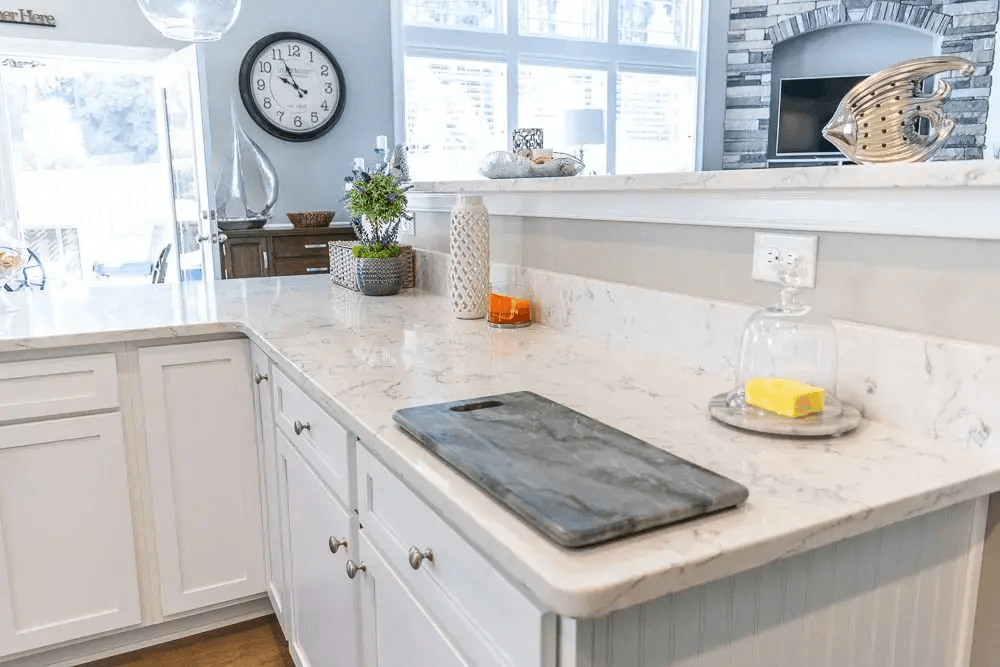
Hot pots, pans, baking dishes, and cast iron cookware should not be placed directly on quartz. Even if no damage appears right away, repeated heat exposure can weaken or discolor the surface over time.
Extreme or concentrated heat can leave marks that are difficult to repair. This may include brown spots, cloudy areas, surface dullness, or visible scorching.
Trivets, hot pads, and heat-resistant mats should be used between cookware and the countertop. This simple habit helps prevent heat damage and keeps the surface looking better for longer.
Air fryers, slow cookers, toaster ovens, electric griddles, and coffee makers can generate steady heat from the bottom. These appliances should sit on a protective mat if they are used for long periods.
What Happens If Quartz Gets Too Hot?
High heat can change the color of quartz. Light surfaces may show yellow or brown spots, while darker surfaces may develop dull or cloudy areas.
The finish can be affected by heat. A shiny area may become dull, or the surface may develop a mark that does not clean away with normal products.
In more serious cases, thermal shock can cause cracking. This is more likely when the heat is sudden, intense, or concentrated in one spot.
Some heat damage may be permanent. A cleaner cannot always remove discoloration or resin damage. In severe cases, professional repair or replacement may be needed.
How to Protect Quartz From Heat
Use Trivets Every Time
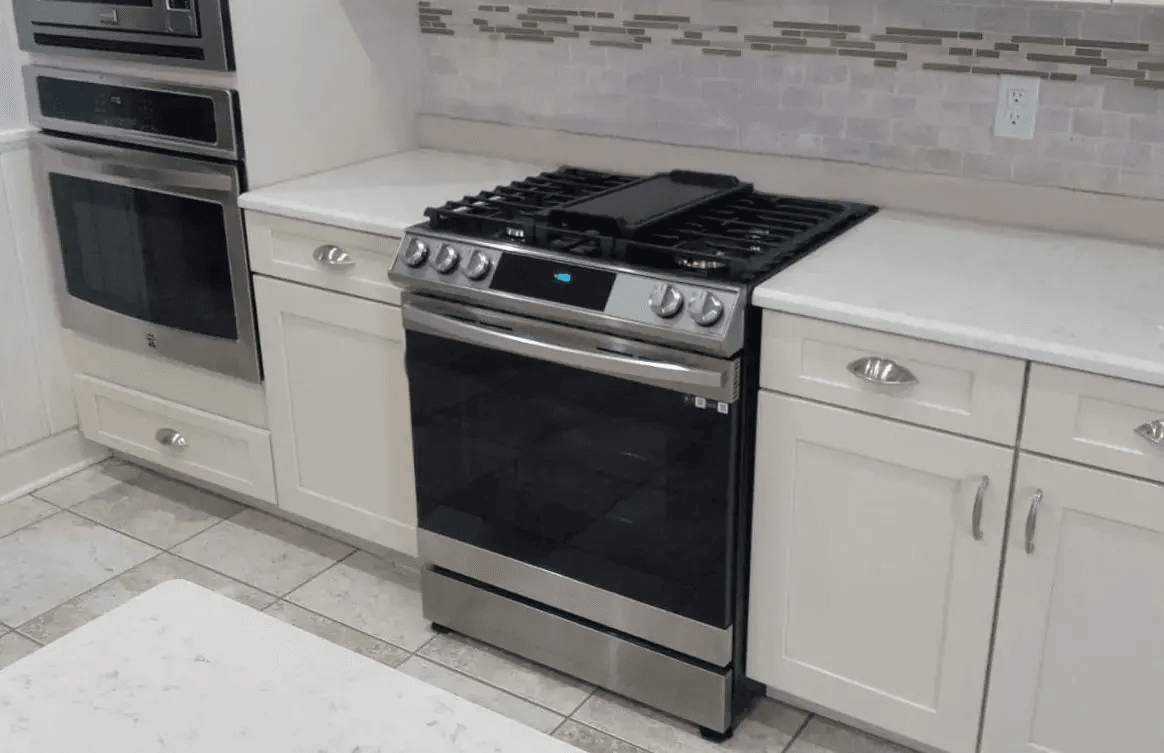
The safest habit is to use trivets or hot pads under hot cookware. This applies to pots, pans, baking sheets, kettles, and dishes taken directly from the oven.
Protect Appliance Areas
Countertop appliances should not sit directly on quartz while generating heat for long periods. A heat-safe mat can reduce the risk of trapped heat beneath the appliance.
Let Cookware Cool First
When possible, place hot cookware on the stove, a trivet, or another protected area until it cools. This reduces stress on the surface.
Avoid Harsh Experiments
Do not test the limits of quartz by placing hot items directly on it. Even resistant quartz countertops still need protection from extreme temperature.
Choose the Right Surface
Quartz is an excellent countertop material for busy homes, but it performs best when used correctly. It is a composite stone surface that offers durability, stain resistance, and easy cleaning, but it is not heat-proof.
East Coast Granite of Winston-Salem helps homeowners compare quartz options, understand care requirements, and choose the right kitchen countertop for their space. With proper installation and daily habits, quartz can remain beautiful and functional for many years.