
Many homeowners compare porcelain and ceramic when planning a kitchen, bathroom, floor, or backsplash update. At first, these materials may look very similar. Both are attractive, practical, and available in many styles.
Still, they are not the same. The main differences are durability, water resistance, cost, installation, and where each material works best.
The right choice depends on the space. A busy floor needs stronger tile than a decorative wall. A bathroom needs better moisture protection than a dry hallway. A kitchen backsplash may need a surface that is easy to clean but not as heavy-duty as a main floor.
This guide explains both options in a simple way. It will help you compare the most common types of tile and choose the best material for your home.
What Is Porcelain Tile?
A Dense and Durable Tile
Porcelain is made from fine clay and fired at a higher heat than standard ceramic. This manufacturing process makes it denser, harder, and less porous.
Because of this, it is often used in high traffic areas such as kitchens, bathrooms, hallways, and entryways.
One of the main advantages of porcelain tile is that it performs well in spaces where durability and moisture protection matter.
Strong Moisture Protection
Porcelain has low water absorption, which means it takes in less moisture than many other tile options.
This makes it a good choice for bathrooms, laundry rooms, floors, and some outdoor areas. It can also work well in kitchens where spills and cleaning are part of daily life.
For homeowners who want long-term performance, porcelain is often a strong option.
Many Design Options
Porcelain is available in many colors, sizes, finishes, and patterns.
It can look like natural stone, wood, concrete, or simple solid color surfaces. This makes it useful for both modern and traditional spaces.
It is a practical material when you want strength without giving up style.
What Is Ceramic Tile?
A Practical and Affordable Option
Ceramic tile is made from natural clay and fired at a lower temperature than porcelain. This makes it slightly softer and less dense.
It is usually more affordable and easier to cut, which can help reduce installation costs.
Ceramic works well for walls, backsplashes, and areas with light to moderate use.
Good for Decorative Surfaces
Ceramic is often used where design matters but heavy wear is not a major concern.
It can be a great choice for a kitchen backsplash, bathroom walls, accent areas, and decorative tile features.
Because it comes in many colors and finishes, it gives homeowners a lot of design flexibility.
Easier to Install
Ceramic is lighter and easier to cut than porcelain.
This can make installation faster, especially for wall projects or smaller updates. For DIY-friendly projects, ceramic may feel easier to work with.
Still, proper spacing, adhesive, and grout are important for a clean and lasting result.
Key Differences Between Porcelain and Ceramic
Durability
Porcelain is generally harder and more durable. It is better for floors, busy kitchens, bathrooms, and spaces that see frequent use.
Ceramic is still useful, but it is better for lighter-use areas or vertical surfaces.
If the space needs to handle heavy foot traffic, porcelain is usually the stronger choice.
Moisture Resistance
Porcelain usually offers better water resistance because it is denser and absorbs less moisture.
This makes it a smart option for bathrooms, laundry rooms, and moisture-prone areas.
Ceramic can still work well in dry or lightly wet areas, especially when glazed and installed properly.
Heat Resistance
Both materials can handle normal household use near warm areas. However, porcelain is often preferred when stronger performance is needed.
In areas exposed to high temperature, such as near stoves or fireplaces, the specific tile rating and installation method matter.
It is always best to choose tile based on where it will be used.
Cost
Ceramic is often the more budget-friendly option. It usually costs less for the material and may also cost less to install.
Porcelain often costs more because it is denser, harder, and more difficult to cut.
The higher price can be worth it for floors or rooms where durability matters most.
Maintenance
Both materials are easy to clean with mild products.
Porcelain may be better for long-term use in wet or busy spaces. Ceramic is also simple to maintain when used in the right location.
Grout care is important for both materials. Sealing grout can help reduce stains and make cleaning easier.
Which Tile Is Better for Your Home?
Choose Porcelain for Strength
Porcelain is usually the better choice for floors, bathrooms, laundry rooms, and busy areas.
It is strong, dense, and moisture resistant. It is also a good option for homeowners who want a long-lasting surface with low maintenance.
If durability is your top priority, porcelain is often worth the higher cost.
Choose Ceramic for Style and Budget
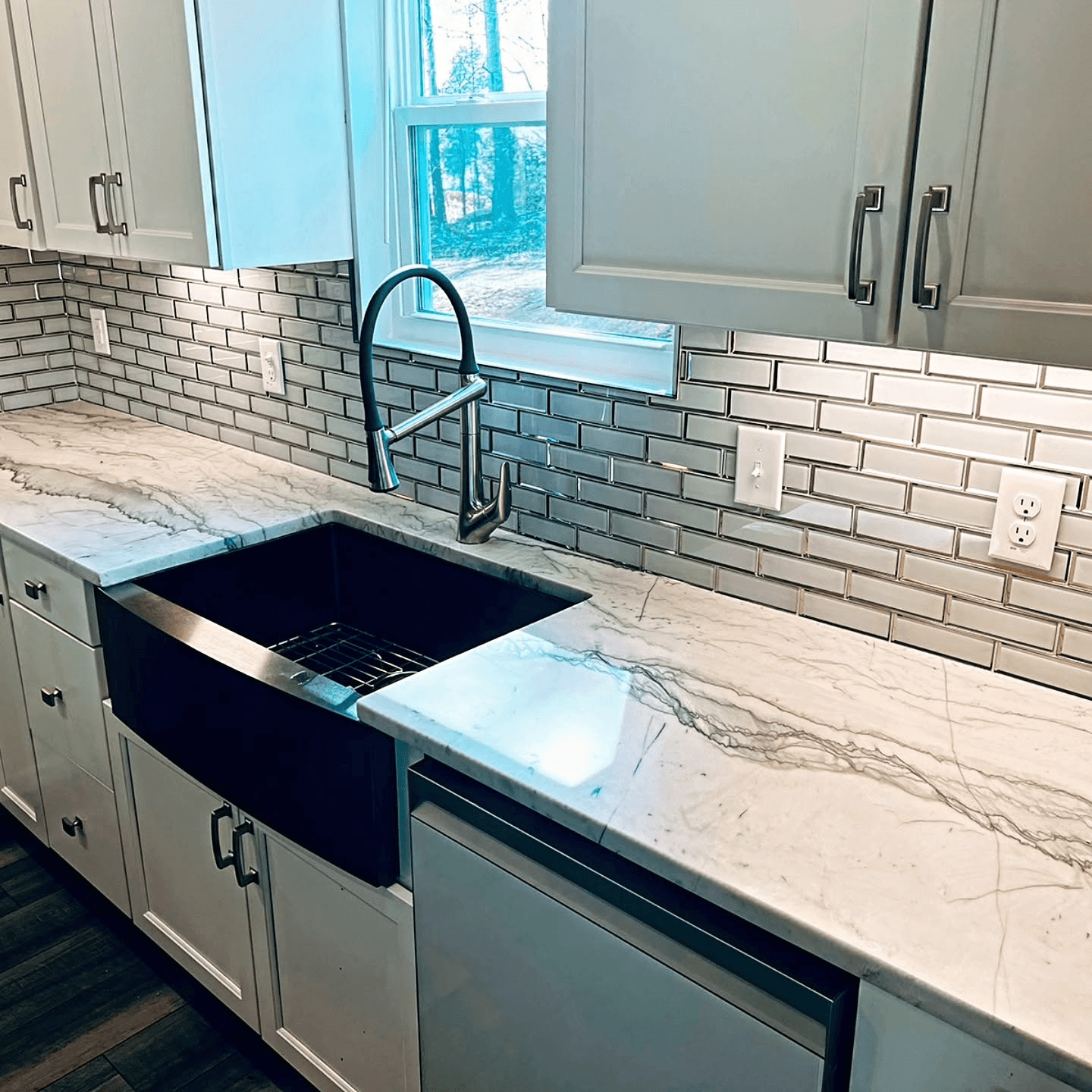
Ceramic is a great choice for walls, backsplashes, and lower-traffic areas.
It offers many design options at a more affordable price. It is also easier to cut and install, which can help with smaller projects.
If you want a stylish update without the higher cost of porcelain, ceramic can be a smart solution.
Match the Tile to the Room
There is no single best tile for every home.
Think about how the space is used. A busy kitchen floor may need porcelain. A decorative backsplash may work perfectly with ceramic.
The best choice is the one that matches your lifestyle, budget, maintenance expectations, and design goals.
Get Expert Tile Guidance
Choosing tile is easier when you can compare materials in person.
East Coast Granite of Winston-Salem can help homeowners explore tile options, review colors and finishes, and choose a material that fits the project.
Whether you are updating a bathroom, floor, kitchen wall, or backsplash, expert guidance can help you make a confident decision.